info@lifelineuae.ae


Pelvic Pain Causes: When to Seek Treatment in Dubai
Many women experience pelvic pain that may begin abruptly or gradually, with intensity varying from mild discomfort to severe pain affecting everyday activities. Because the pelvic region is comprised of several organs, muscles and nerves, numerous possibilities may result in pelvic pain. Recognising signs of pelvic pain, understanding potential sources, and knowing when to seek medical attention will help achieve longevity and relief from pelvic pain.
Many people believe they can ignore pelvic pain as it usually relates to menstruation, increased stress levels, or digestive distress. Although occasional discomfort from the pelvic region may not be too impactful, the longer-term or worsening pelvic pain should be taken seriously. Timely evaluation and appropriate pelvic pain treatment in Dubai can help identify the underlying issue and prevent complications.
What Is Pelvic Pain?
Pelvic discomfort indicates a condition affecting the lower section of the abdomen/pelvic area. Some people may describe the discomfort as being sharp, dull, cramping, or having steady pressure. Many women experience cramping at different points throughout their menstrual cycle and when they’re physically active. The frequency with which each woman experiences pelvic discomfort varies greatly.
The two main types of pelvic discomfort are Acute (less than 60 days) and Chronic (greater than 6 months). Chronic pelvic discomfort often requires an extensive clinical exam to ascertain its source and how to treat it effectively.
Common Pelvic Pain Causes
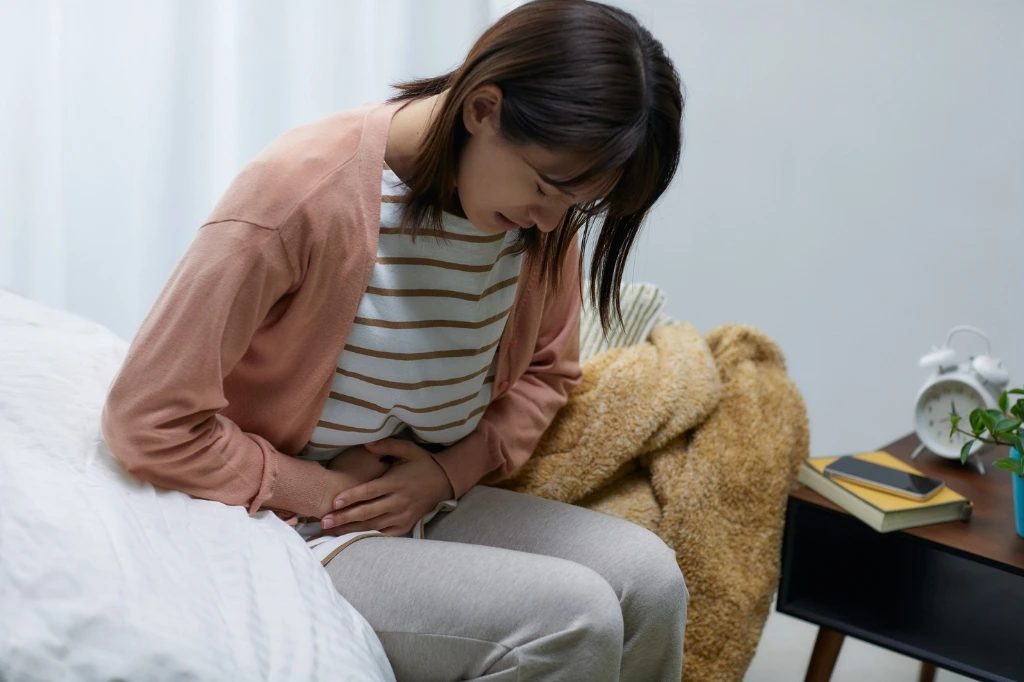
Pelvic pain can come from different parts of the body, such as the reproductive organs, urinary system, digestive system, or muscles. Below are some of the most common causes of pelvic pain.
Gynecological Causes
Gynecological conditions are a frequent cause of pelvic pain in women. These may include:
- Menstrual cramps that are severe or worsening
- Ovarian cysts that cause pressure or sharp pain
- Endometriosis occurs when tissue resembling the uterine lining grows outside the uterus, commonly causing discomfort or pain.
- Uterine fibroids that create a feeling of heaviness or discomfort
- Pelvic inflammatory disease (PID) is often related to infection.
Some women experience pelvic pain along with having irregular menstrual cycles, pain from sexual relations and bleeding excessively from their genitalia. When the pelvic pain continues over time and further disrupts their normal daily activities, many women seek the expertise of a gynecologist in Dubai.
Urinary Tract Causes
Conditions affecting the urinary system can also lead to pelvic pain, such as:
- Urinary tract infections
- Bladder irritation or inflammation
- Painful bladder syndrome
Pelvic pain related to urinary issues may occur along with symptoms such as a burning sensation while urinating, frequent urges to urinate, or a feeling of pressure in the lower abdomen.
Digestive System Causes
Digestive problems can sometimes be mistaken for pelvic pain. Common digestive-related causes include:
- Irritable bowel syndrome (IBS)
- Constipation or bloating
- Inflammatory bowel conditions
This type of pain may improve or worsen after bowel movements and is often accompanied by gas or changes in stool patterns.
Muscle and Nerve-Related Causes
The pelvic floor muscles are vital for supporting the organs in the pelvic area. Pelvic pain may occur due to:
- Pelvic floor muscle tension or weakness
- Muscle strain or injury
- Nerve irritation or compression
Pain from muscular or nerve causes may increase during sitting, walking, or physical activity and often feels like deep aching or pressure.
Pregnancy-Related Causes
Pelvic discomfort can happen during a woman’s pregnancy because of ligament and joint stretching, changes in posture or the weight of the developing fetus, respectively. While some pregnant women may only feel mild pelvic pain, sudden and/or intense pelvic pain during pregnancy should always be medically evaluated by either an obstetrician or a gynaecologist to exclude any severe conditions.

Pelvic Pain Symptoms You Should Not Ignore
The symptoms of pelvic pain can be different depending on the cause of the pain. If you are experiencing any of the following, you should see a doctor for evaluation and treatment:
- Lower abdominal pain that is chronic or intermittent
- Pain in the pelvic area that feels sharp or stabbing
- Pain during urination and/or while having a bowel movement
- Pain during and/or after having sex
- Heavy bleeding, irregular cycles, and/or painful periods
- Feeling of pressure or fullness in the pelvic area
- Pain that interferes with sleep, work, or other daily routines
If pelvic pain is accompanied by fever, nausea, vomiting, dizziness, or abnormal vaginal discharge, prompt medical attention is recommended.
Diagnosis of Pelvic Pain
Lifeline Clinic looks at all aspects of a woman’s health when diagnosing pelvic pain, including healthcare-related factors, such as contraceptive use, frequency of intercourse, and the possibility of sexually transmitted diseases or other types of infections that might cause pelvic pain. After reviewing the results of this evaluation, diagnostic tests may include urine and blood tests, ultrasound screening, and other tests.
If you think you may have a reproductive health concern, it’s best to consult an experienced gynecologist in Dubai for proper evaluation and care.
Pelvic Pain Treatment in Dubai
The treatment for pelvic pain will vary based on the cause of the pain, the severity of the symptoms, and an individual’s overall health. At Lifeline Clinic Dubai, we develop a customised treatment plan that can include:
- • Medications that relieve pain or reduce inflammation
- • Treatment of any infections, if applicable
- • Hormonal therapy for women who have issues related to gynecology
- • Lifestyle changes through dietary modifications
- • Physiotherapy and pelvic floor exercise recommendations
- • Referral to other medical providers as needed.
The coordinated treatment approach in the UAE for patients with pelvic pain allows for the relief of acute symptoms as well as long-term health maintenance.
Why Choose Lifeline Clinic Dubai
At Lifeline Clinic Dubai, we provide a professional, comfortable environment for patients to receive comprehensive care. Patients choose us because of the following:
- Qualified physicians/gynecologists
- Personalised care plans
- Up-To-Date Diagnostic Equipment
- Accessible Explanation and Supportive Communication
- Private and Confidential Consultations
Regardless of the duration of pelvic pain, it is the patient’s experience and perception that we want to ensure they are heard, educated about their care options, and supported through the process. Furthermore, pelvic pain may be a new symptom or an ongoing discomfort for the patient.
Your Pelvic Pain Needs to Be Addressed
Patients should not accept pelvic pain as a normal part of life. Although some types of pelvic pain may be relatively mild in comparison to others, many of them may require medical intervention to avoid complications later on. To treat pelvic pain effectively, it’s essential first to recognise what is causing it and how it manifests in the body.
If you are experiencing pelvic pain or would like to seek treatment, Lifeline Clinic Dubai provides an opportunity for you to have a comprehensive examination by a highly qualified physician in a kind and caring environment.
Book Your Consultation Today
A person should not wait to get medical attention if they have severe enough pelvic pain to impede their quality of life. The sooner pelvic pain is diagnosed and treated, the higher the chances of adequate relief and a better recovery.
Get in touch with Lifeline Clinic in Dubai today to book your appointment and take the first step toward better pelvic health.